
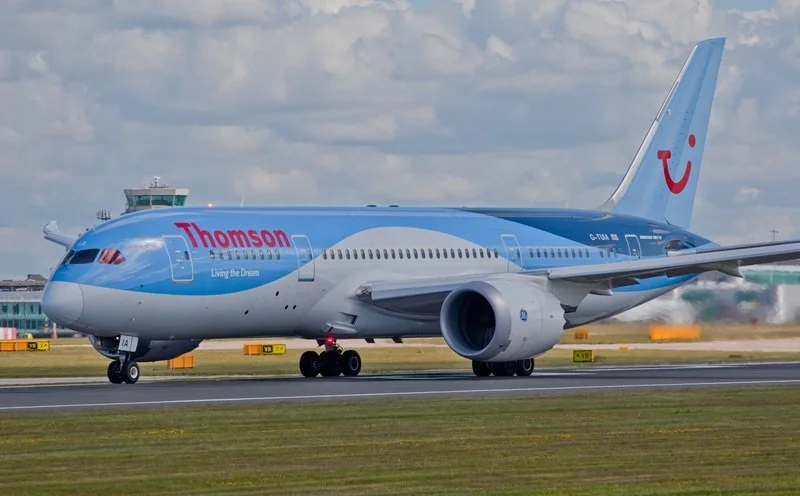
The Boeing 787 Dreamliner is Boeing’s long‑awaited successor to the 767 — a clean‑sheet, mid‑size, twin‑engine wide‑body designed to deliver long‑range capability with dramatically lower operating costs. When Boeing launched the program, the 767 was losing ground to the Airbus A330, and airlines were demanding a modern, fuel‑efficient aircraft that could open new point‑to‑point routes without the cost burden of larger jets.
The result was the Boeing 787 Dreamliner: a composite‑intensive, electrically‑driven, aerodynamically refined aircraft that redefined what a mid‑sizewide‑body could do. With up to 50% composite construction, advanced engines, and a fully modernised systems architecture, the Dreamliner delivers fuel savings of around 20% compared to older aircraft of similar size — a leap forward that changed long‑haul economics worldwide.
The Boeing 787 Dreamliner is assembled using one of the most globally distributed production systems ever created for a commercial airliner. Major structures are built by international partners and transported to Boeing’s final assembly lines using the company’s modified 747‑400 Large Cargo Freighters, known as Dreamlifters. This approach was designed to reduce manufacturing time, streamline logistics, and allow suppliers to complete large, fully equipped sections before they reached the final assembly stage.
The Dreamliner’s composite fuselage barrels are produced in Japan and Italy, with additional sections manufactured in the United States. The centre fuselage is built in North Charleston, South Carolina, while the wings—among the largest composite wings ever produced for a commercial aircraft—are manufactured by Mitsubishi Heavy Industries in Japan. Horizontal stabilisers come from Italy’s Leonardo, and the vertical fin is produced by Boeing in Washington State.
Once the major components arrive at Boeing’s facilities in Everett or North Charleston, final assembly begins. The fuselage sections are joined, the wings are attached, and the aircraft’s advanced electrical systems are integrated. Unlike traditional aluminium aircraft, the 787’s composite structure requires specialised drilling, fastening, and curing processes, along with extensive non‑destructive testing to ensure structural integrity.
The assembly process was initially challenged by supplier delays, unfinished sections arriving from partners, and the need for rework on early airframes. Over time, Boeing refined the workflow, improved supplier coordination, and stabilised production rates. The North Charleston facility eventually became the exclusive assembly site for the largest variant, the 787‑10.
Despite early difficulties, the 787’s assembly system has matured into a highly efficient production line. The Dreamlifter fleet continues to play a central role, enabling rapid movement of major components across continents and supporting one of the most complex supply chains in aviation history.
Beyond fuel burn, the Dreamliner introduced a new approach to passenger comfort: higher cabin pressure, increased humidity, larger windows, quieter engines, and LED mood lighting. These features, combined with the aircraft’s long range and lower operating costs, made the 787 attractive to both full‑service and low‑cost carriers — from ANA and Air New Zealand to Scoot, Jetstar, and Norse Atlantic.
The 787 program also marked a major shift in Boeing’s manufacturing strategy. Large composite barrels, wings, and systems assemblies are produced by partners around the world and flown to the final assembly lines in Everett and North Charleston aboard the modified 747‑400LCF Dreamlifter. This global production model was ambitious, occasionally problematic, and ultimately transformative for Boeing’s wide‑body operations.
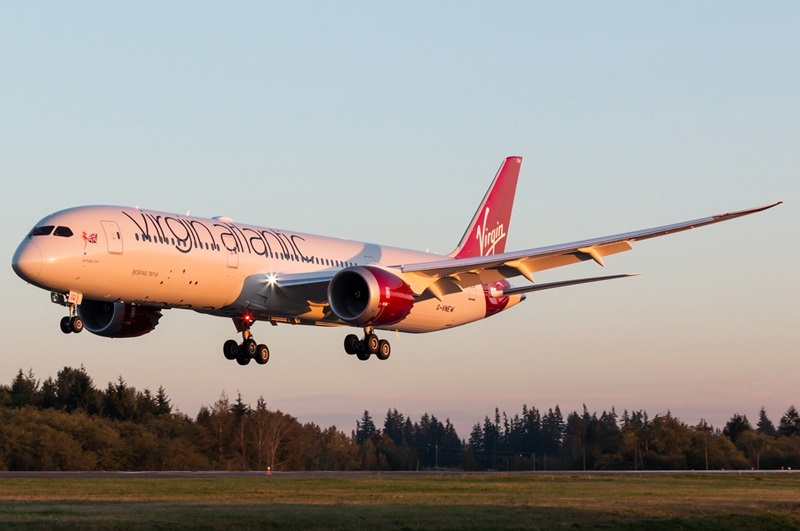
Today, the Dreamliner family — the 787‑8, 787‑9, and 787‑10 — operates thousands of flights each week across the globe. It has become one of Boeing’s most successful wide‑body programs, enabling airlines to open thinner long‑haul routes, reduce fuel burn, and offer a noticeably improved passenger experience.

| Category | Details |
|---|---|
| Aircraft Type | Mid‑size, twin‑engine, long‑range wide‑body |
| Family Variants | 787‑8, 787‑9, 787‑10 |
| Entry Into Service | 2011 (ANA — 787‑8) |
| Primary Competitor | Airbus A330neo / Airbus A350‑900 (range overlap) |
| Typical Seating | 242–330 passengers (depending on variant and layout) |
| Cruise Speed | Mach 0.85 |
| Maximum Range | Up to 14,140 km (787‑9) |
| Engines | GE GEnx‑1B or Rolls‑Royce Trent 1000 |
| Composite Content | ~50% of primary structure |
| Final Assembly Locations | Everett, Washington & North Charleston, South Carolina |
| Notable Features | Larger windows, higher cabin pressure, increased humidity, quieter engines, LED mood lighting |
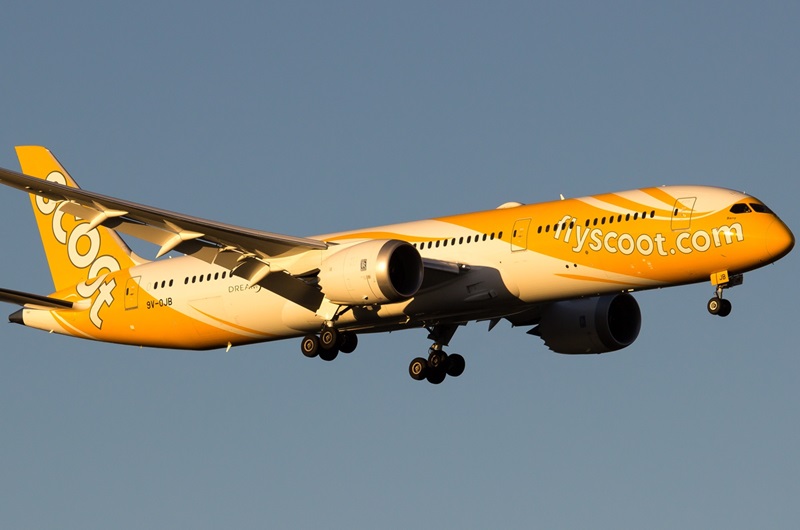
The economics of the 787 make it attractive to low‑ and full‑service carriers alike.
Development — Designing Boeing’s Next‑Generation Wide‑Body
In the early 1990s, Boeing faced a strategic crossroads. The Boeing 767 — once a strong seller — was losing momentum against the Airbus A330, and airlines were demanding a new generation of aircraft that could deliver long‑range capability with significantly lower fuel burn. Boeing explored two radically different concepts: the high‑speed Sonic Cruiser and the enlarged Boeing 747X. Both attracted interest, but neither aligned with the industry’s post‑2001 shift toward efficiency over speed.
The September 11 attacks reshaped airline economics. Fuel prices surged, long‑haul demand softened, and carriers prioritised efficiency above all else. The Sonic Cruiser, designed to cruise at Mach 0.98, no longer made sense. Boeing pivoted, taking the aerodynamic lessons learned from the Sonic Cruiser and applying them to a new aircraft focused on fuel savings, range, and passenger comfort. This aircraft became the Boeing 7E7 — later renamed the Boeing 787 Dreamliner.
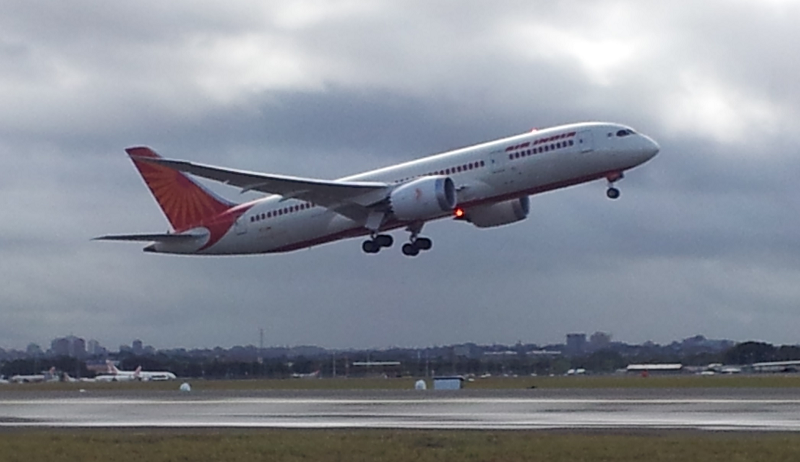
In 2003, Boeing officially unveiled the Dreamliner name after an online competition that drew over 500,000 entries. The aircraft’s design centred on composite materials, advanced aerodynamics, and a new electrically‑driven systems architecture. These innovations promised a 20% reduction in fuel burn compared to older mid‑size wide‑bodies — a transformative leap for airlines.
Japan’s All Nippon Airways (ANA) became the launch customer in 2004 with an order for 50 aircraft. By the end of 2005, Boeing had secured 288 orders, signalling strong market confidence in the new design. The Dreamliner’s popularity forced Airbus to redesign its competing A350, relaunching it as the A350 XWB (Extra Wide Body) in 2006.
Major assembly of the first 787 began in 2007, with large composite barrels, wings, and systems modules flown to Everett aboard the modified 747‑400LCF Dreamlifter. The first aircraft rolled out on 8 July 2007 — fittingly, 7/8/7 in the American date format.
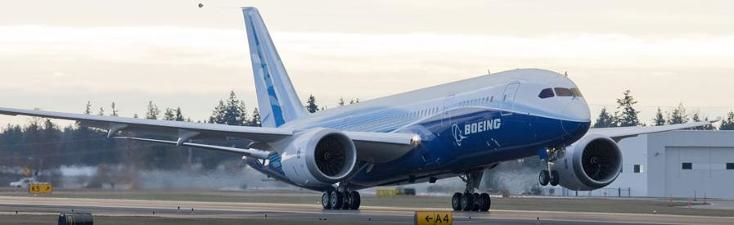
Despite the excitement, the program faced significant delays. Supplier bottlenecks, software issues, fastener problems, and structural redesigns pushed the first flight back multiple times. A major strike in 2008 further slowed progress. Engineers also discovered a critical wing‑box join issue that required redesign and reinforcement before the aircraft could fly.
After extensive ground testing, the Boeing 787‑8 finally took to the air on 15 December 2009. Six test aircraft — four powered by Rolls‑Royce Trent 1000 engines and two by GE GEnx‑1B engines — completed a rigorous flight‑test campaign. Certification followed in 2011, and ANA received the first 787‑8 on 26 September 2011.
The 787‑9 variant flew for the first time on 17 September 2013, with Air New Zealand taking delivery of the first aircraft in July 2014. The stretched 787‑10 began assembly in 2016, rolled out in February 2017, and completed its maiden flight on 31 March 2017. Singapore Airlines became the launch customer in March 2018.
Development Timeline Summary
| Date | Milestone |
|---|---|
| 2003 | Dreamliner name announced; 7E7 concept approved. |
| 2004 | ANA becomes launch customer with 50 orders. |
| 2007 | First 787 rolled out (7/8/7); assembly delays begin. |
| 2009 | Maiden flight of the 787‑8. |
| 2011 | First delivery to ANA. |
| 2013 | Maiden flight of the 787‑9. |
| 2017 | Maiden flight of the 787‑10. |
| 2018 | First 787‑10 delivered to Singapore Airlines. |
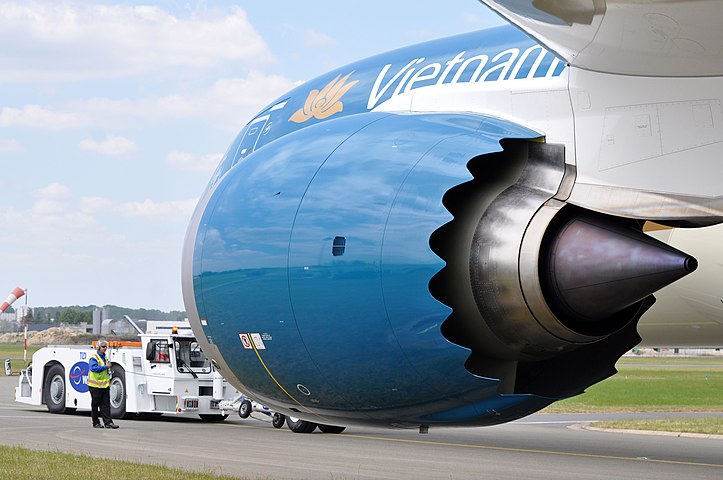
Forward angle of a Vietnam Airlines Boeing 787 Dreamliner, highlighting the aircraft’s distinctive chevroned exhaust nozzle on the GEnx engine.
History
The history of the Boeing 787 Dreamliner is one of the most ambitious and transformative aircraft programs ever undertaken by Boeing. While the Development section covers the engineering, design evolution, and manufacturing strategy, the broader history of the 787 tells the story of how the aircraft reshaped Boeing’s position in the wide‑body market, influenced global airline strategy, and overcame one of the most challenging entry‑into‑service periods of any modern airliner.
When the first 787 rolled out in July 2007, Boeing had already secured hundreds of orders, making it the fastest‑selling wide‑body in history. Airlines were drawn to its promise of lower fuel burn, long‑thin route capability, and improved passenger comfort. The Dreamliner represented a major shift in Boeing’s philosophy: extensive use of composites, globalised production, and a new electrically‑driven systems architecture.
However, the road to service was far from smooth. The program experienced multiple delays due to supplier bottlenecks, unfinished assemblies, software issues, and structural redesigns. These challenges were compounded by a major strike in 2008 and the discovery of a critical wing‑box join issue in 2009. Despite these setbacks, Boeing pushed forward, completing a rigorous flight‑test campaign with six aircraft powered by both Rolls‑Royce and GE engines.
The first 787‑8 entered service with All Nippon Airways (ANA) on 26 September 2011. Early operations demonstrated the aircraft’s efficiency and passenger appeal, but the Dreamliner soon faced another hurdle: the lithium‑ion battery incidents of early 2013. Two aircraft experienced battery failures, leading to a global grounding — the first for a major commercial aircraft type since the DC‑10 in 1979. Boeing redesigned the battery containment and ventilation systems, and the 787 returned to service after a four‑month suspension.
Once back in the air, the Dreamliner began to fulfil its promise. Airlines opened new long‑thin routes such as Tokyo–San Jose, Perth–London, Nairobi–New York, and Houston–Auckland. The 787‑9, with greater range and capacity, became the most popular variant, entering service in 2014 with Air New Zealand. The stretched 787‑10 followed in 2018 with Singapore Airlines, optimised for high‑density regional long‑haul operations.
Throughout the 2010s, the 787 became a cornerstone of many fleets. It enabled low‑cost long‑haul carriers such as Scoot and Norwegian (later Norse Atlantic) to operate transcontinental and transatlantic routes with competitive economics. Full‑service airlines used the aircraft to modernise ageing 767 and A330 fleets, while others leveraged its range to bypass traditional hubs.
Production expanded from Everett to Boeing’s new facility in North Charleston, South Carolina, which eventually became the sole assembly site for the 787‑10. The Dreamlifter fleet continued to shuttle major components between global partners, supporting one of the most complex supply chains in commercial aviation.
By the late 2010s, the 787 family had firmly established itself as one of Boeing’s most successful wide‑body programs. Despite early challenges, the aircraft’s efficiency, passenger comfort, and operational flexibility made it a favourite among airlines and passengers alike. The Dreamliner continues to evolve, with ongoing improvements to engines, avionics, cabin systems, and production processes.
The timeline below captures the full chronological progression of the program — from the Sonic Cruiser decision in 2002 through to the launch of the 787‑10 in 2018 — preserving the detailed historical record of the Dreamliner’s development and entry into service.
Full Program History Timeline
| Date | Event |
|---|---|
| 2002 | Boeing drops its “Sonic Cruiser” concept, responding to airlines’ calls for better fuel efficiency rather than extra speed. |
| June 2003 | The company dubs its new, carbon-composite airplane the “Dreamliner” after an online competition with 500,000 entrants. |
| December 2003 | Boeing approves an initial version of the plane, with the temporary name 7E7. |
| April 2004 | Japan’s All Nippon Airways (ANA) becomes the launch customer with 50 orders. Being a launch customer often earns discounts up to 50%. |
| December 2004 | Boeing ends 2004 with 56 orders for the new plane, fewer than it had expected. |
| January 2005 | Boeing gives the plane the official designation Boeing 787 Dreamliner. |
| December 2005 | It ends 2005 with 232 orders for Boeing 787s, for a running total of 288. |
| 13 July 2006 | Popularity of the Boeing 787 Dreamliner design forces Airbus to redesign its competing A350, relaunching it as the A350 XWB. |
| December 2006 | Boeing ends 2006 with 160 orders for Boeing 787s, for a running total of 448. |
| January 2007 | Rumours emerge that some suppliers are behind schedule. Boeing maintains first flight for August 2007 and delivery May 2008. |
| 13 May 2007 | Boeing starts to assemble the first Boeing 787 Dreamliner in Everett, Washington. |
| June 2007 | Reports at the Paris Air Show suggest the 787 is up to four months late. First flight may slip to September 2007. |
| 08 July 2007 | The first 787 is rolled out in front of 15,000 employees and customers at Everett. |
| 25 July 2007 | Boeing shares hit an all-time high of $107.80, boosted by strong 787 orders. |
| September 2007 | First test flight delayed three months due to bolt shortages and flight‑control software issues. |
| October 2007 | Another delay pushes first flight to March 2008 and delivery to late 2008. |
| October 2007 | Program head Mike Bair replaced by Pat Shanahan. |
| December 2007 | Boeing ends 2007 with 369 orders, total 817. |
| January 2008 | Three‑month delay due to supplier issues and slow assembly. First flight pushed to June 2008; delivery early 2009. |
| March 2008 | Centre wing box must be redesigned to increase strength. |
| 28 March 2008 | Boeing buys Vought’s interest in Global Aeronautica, making the fuselage plant a joint venture with Alenia. |
| April 2008 | Third major delay pushes first flight to late 2008 and delivery to late 2009. |
| September 2008 | A major strike lasts 57 days, delaying production further. |
| Date (contd) | Event (contd) |
| November 2008 | Fasteners incorrectly installed in first 5 prototypes; must be removed and reinstalled. |
| December 2008 | Another six‑month delay. First flight now April–June 2009; ANA delivery Q1 2010. 2008 ends with over 900 orders. |
| Jan/Feb 2009 | Industry downturn causes LCAL and Russian S7 to cancel orders. |
| May 2009 | First Dreamliner pushed onto flight line; wing‑box fault discovered but not made public. |
| June 2009 | Paris Air Show: first flight announced, then postponed indefinitely due to wing‑box issue. Qantas cancels 15 orders. |
| July 2009 | Engineers begin work on flawed wing‑box joint. |
| August 2009 | New schedule: first flight by year‑end; delivery end of 2010. |
| October 2009 | Cancellation of ten‑plane order reduces total orders to 840. |
| November 2009 | Wing‑box redesign completed; stress testing shows aircraft ready to fly. |
| 15 December 2009 | First flight of the Boeing 787‑8. |
| First Half 2010 | Six test aircraft (four RR, two GE) complete rigorous flight testing. |
| July 2010 | 787 attends its first airshow at Farnborough. |
| November 2010 | Deliveries may be delayed three months due to modifications. |
| 09 November 2010 | Emergency landing in Texas after onboard fire; crew evacuates safely. |
| January 2011 | First delivery pushed to Q3 2011 due to fire‑related work. |
| July 2011 | ANA conducts a week of testing on Japanese routes. |
| 13 August 2011 | Certification testing completed for 787‑8 with Rolls‑Royce engines. |
| 26 August 2011 | Boeing attains EASA certification. |
| 28 September 2011 | ANA’s first 787 arrives at Tokyo Haneda. |
| 30 May 2013 | Singapore Airlines announced as launch customer for 787‑10. |
| 17 September 2013 | Maiden flight of the Boeing 787‑9. |
| 08 July 2014 | Air New Zealand receives first 787‑9. |
| March 2016 | Assembly begins on the first Boeing 787‑10. |
| 17 February 2017 | First Boeing 787‑10 rolls out of the factory. |
| 31 March 2017 | Maiden flight of the Boeing 787‑10. |
| 25 March 2018 | Singapore Airlines receives the first Boeing 787‑10. |
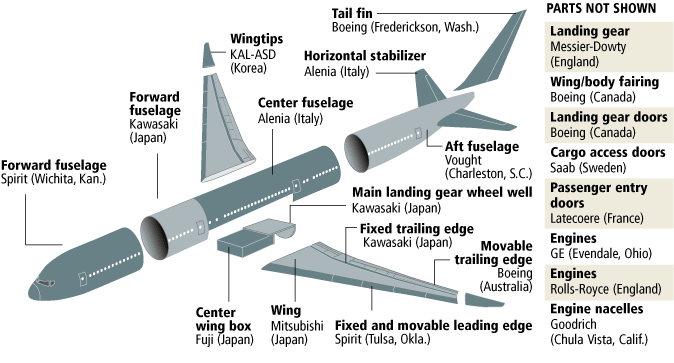
Diagram showing the global network of suppliers involved in producing the Boeing 787 Dreamliner,
highlighting how major components are manufactured across multiple countries before final assembly.
Assembly
The Boeing 787 Dreamliner is assembled using one of the most globally distributed production systems ever created for a commercial airliner. Major structures are built by international partners and transported to Boeing’s final assembly lines using the company’s modified 747‑400 Large Cargo Freighters, known as Dreamlifters. This approach was designed to reduce manufacturing time, streamline logistics, and allow suppliers to complete large, fully equipped sections before they reached the final assembly stage.
The Dreamliner’s composite fuselage barrels are produced in Japan and Italy, with additional sections manufactured in the United States. The centre fuselage is built in North Charleston, South Carolina, while the wings—among the largest composite wings ever produced for a commercial aircraft—are manufactured by Mitsubishi Heavy Industries in Japan. Horizontal stabilisers come from Italy’s Leonardo, and the vertical fin is produced by Boeing in Washington State.
Once the major components arrive at Boeing’s facilities in Everett or North Charleston, final assembly begins. The fuselage sections are joined, the wings are attached, and the aircraft’s advanced electrical systems are integrated. Unlike traditional aluminium aircraft, the 787’s composite structure requires specialised drilling, fastening, and curing processes, along with extensive non‑destructive testing to ensure structural integrity.
The assembly process was initially challenged by supplier delays, unfinished sections arriving from partners, and the need for rework on early airframes. Over time, Boeing refined the workflow, improved supplier coordination, and stabilised production rates. The North Charleston facility eventually became the exclusive assembly site for the largest variant, the 787‑10.
Despite early difficulties, the 787’s assembly system has matured into a highly efficient production line. The Dreamlifter fleet continues to play a central role, enabling rapid movement of major components across continents and supporting one of the most complex supply chains in aviation history.
Specifications
| Variant | Boeing 787 8 | Boeing 787 9 | Boeing 787 10 |
|---|---|---|---|
| Milestones | |||
| Maiden Flight | 15 December 2009 | 17 September 2013 | 31 March 2017 |
| Launch Delivery | 25 September 2011 | 10 July 2014 | 26 March 2018 |
| Launch Airline | All Nippon Airways | Air New Zealand | Singapore Airlines |
| Boeing 787 Price List (average) | US$224.6 Million | US$264.6 Million | US$306.1 Million |
| Dimensions | |||
| Fuselage | |||
| Fuselage Length | 56.7 Mtr (186 Ft) | 62.8 Mtr (206 Ft) | 68.3 Mtr (224 Ft) |
| Fuselage Height | 5.94 Meters (19 Feet 4 Inches) | ||
| Fuselage Width (outside) | 5.77 Meters (18 Feet, 11 Inches) | ||
| Max. Cabin Width | 5.49 Meters (18 Feet) | ||
| Wings | |||
| Wing Span | 60.1 Metres (197 Feet, 3 Inches) | ||
| Wing Area | 377 Square Metres (4,058 Square Feet) | ||
| Wing Sweep Back | 32.2 Degrees | ||
| Tail Fin | |||
| Aircraft Height | 16.9 Metres (55 Feet 6 Inches) | 17.02 Metres (55 Feet 10 Inches) | |
| Under Carriage | |||
| Number of Nose Wheels | 2 | ||
| Number of Main Wheels | 2 x Bogies of 4 | ||
| Engines x two | |||
| General Electric GEnx-1B or Rolls-Royce Trent 1000 | |||
| Thrust | 64,000 lbf (280 kN) | 71,000 lbf (320 kN) | 76,000 lbf (340 kN) |
| Cabin | |||
| Seating | 242 (2 class) | 280 (2 class) | 330 (2 class) |
| Seats Abreast | Typical 9 seats abreast in 3-3-3 configuration with seat width of 43.7cm (17.2in) | ||
| Weights | |||
| Maximum Take Off Weight | 227,930 kg (502,500 lb) | 254,011 kg (560,000 lb) | |
| Maximum Landing Weight | 172,000 kg (380,000 lb) | 193,000 kg (425,000 lb) | 202,000 kg (445,000 lb) |
| Maximum Zero Fuel Weight | 161,000 kg (355,000 lb) | 181,000 kg (400,000 lb) | 193,000 kg (425,000 lb) |
| Operating Empty Weight | 119,950 kg (264,500 lb) | 128,850 kg (284,000 lb) | 135,500 kg (298,700 lb) |
| Fuel Capacity Litres | |||
| Fuel Capacity | 126,206 Litres (33,340 US gal) | 126,372 Litres (36,384 US gal) | |
| Speeds | |||
| Vmo/Mmo Max Operating Speed | Mach 0.90 (593 mph, 515 knots, 954 km/h) | ||
| Cruise Speed IAS/Mach | Mach 0.85 (567 mph, 488 knots, 903 km/h) | ||
| Ceiling | |||
| 43,000 Feet (13,100 Metres) | |||
| Range | |||
| Range | 13,620 km (7,355 nmi) | 14,140 km (7,635 nmi) | 11,910 km (6,430 nmi) |
| Cargo Capacity | |||
| Cargo | 136.7 m³ (4,826 cu ft) — 28 × LD3 | 172.5 m³ (6,090 cu ft) — 36 × LD3 | 191.4 m³ (6,722 cu ft) — 40 × LD3 |
| Take Off Distance at MTOW (ISA) | |||
| Take Off Distance | 2,600 m (8,500 ft) | 2,800 m (9,300 ft) | 2,800 m (9,100 ft) |
| Variant | Boeing 787 8 | Boeing 787 9 | Boeing 787 10 |
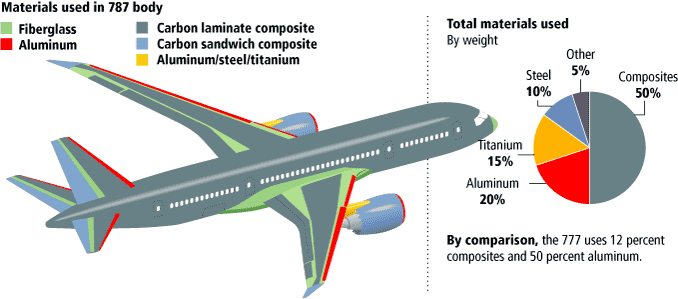
Graphic illustrating the materials used in the Boeing 787 Dreamliner, showing how composites make up
half of the aircraft’s structure compared with the heavier aluminium‑dominant design of earlier Boeing models.
Orders & Deliveries
Since its introduction, the Boeing 787 Dreamliner has attracted strong interest from airlines around the world, thanks to its fuel efficiency, long‑range capability, and passenger‑focused design. The following section details the orders placed for each variant and the deliveries made to operators globally, providing a clear picture of how the Dreamliner family has expanded across international fleets.
| Launch Customers of the Boeing 787 Dreamliner | |
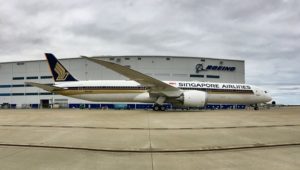
Singapore Airlines was the launch customer for the Boeing 787‑10, taking delivery on 26 March 2018. |
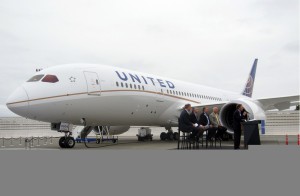
United Airlines became the first U.S. carrier to receive the Boeing 787‑8, taking delivery on 22 September 2012. |
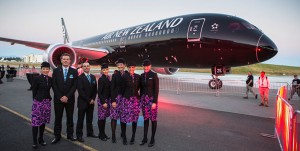
Air New Zealand, the launch customer for the Boeing 787‑9, took delivery of their first aircraft on 09 July 2014. |
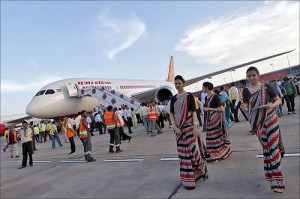
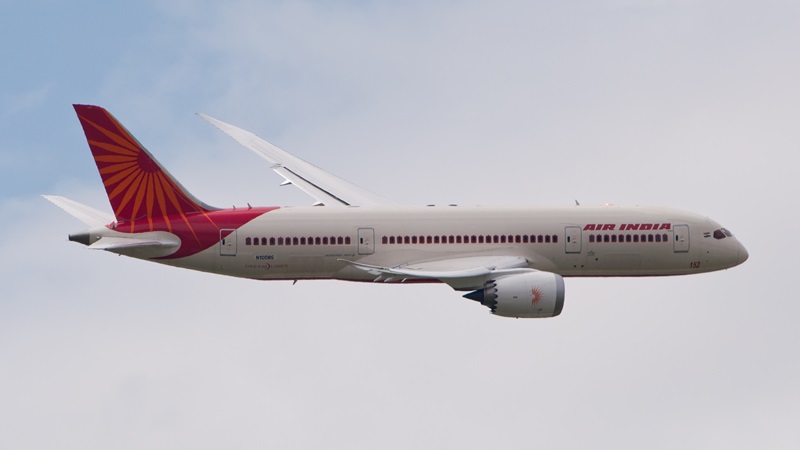
Air India took delivery of their first Boeing 787‑8 Dreamliner on 07 September 2012. |
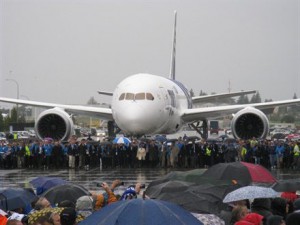
ANA (All Nippon Airways) received the very first Boeing 787‑8 Dreamliner on 26 September 2011. |
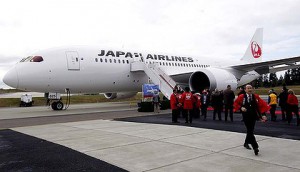
Japan Airlines took delivery of two Boeing 787‑8 Dreamliners on 26 March 2012. |
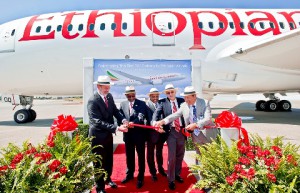
Ethiopian Airlines took delivery of their first Boeing 787‑8 on 14 August 2012. |
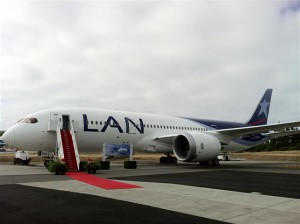
LAN took delivery of their first Boeing 787‑8 Dreamliner on 31 August 2012. |
Orders & Deliveries
Boeing no longer publishes customer‑level 787 orders and deliveries in a consolidated format. The official totals can be viewed on Boeing’s Orders & Deliveries page:
https://www.boeing.com/commercial#orders-deliveries
Legacy of the Boeing 787 Dreamliner
When Boeing launched the 787 Dreamliner programme in the early 2000s, it represented one of the most ambitious leaps in commercial aviation since the introduction of the widebody era. Built around advanced composite materials, next‑generation engines, and a design philosophy focused on fuel efficiency and passenger comfort, the 787 became the aircraft that reshaped long‑haul flying for airlines worldwide.
The Dreamliner’s impact has been felt across every continent. Its ability to operate economically on thinner, long‑range routes opened new city pairs, enabled point‑to‑point travel, and allowed airlines to expand international networks without relying solely on large hub‑to‑hub operations. Passengers benefited from higher cabin humidity, larger windows, quieter interiors, and a noticeably smoother ride — features that set new expectations for modern long‑haul travel.
Despite early programme challenges, including production delays and the well‑publicised battery issues of 2013, the 787 has matured into one of Boeing’s most successful widebody aircraft. With three variants — the 787‑8, 787‑9, and 787‑10 — the Dreamliner family continues to serve a diverse range of missions, from ultra‑long‑haul flights to high‑density regional operations.
Today, the Boeing 787 remains a cornerstone of many global fleets and a symbol of the industry’s shift toward lighter materials, improved efficiency, and passenger‑focused design. Its legacy is defined not only by technological innovation, but by the way it changed airline strategy and passenger expectations for the better.