
McDonnell Douglas was one of the most influential aerospace manufacturers of the 20th century, responsible for shaping both commercial aviation and military aviation across multiple generations. Formed in 1967 through the merger of McDonnell Aircraft Corporation and the Douglas Aircraft Company, the combined entity produced some of the world’s most recognisable airliners and fighter aircraft. From the legendary DC‑3 and DC‑9 families to the F‑4 Phantom II, F‑15 Eagle, and F/A‑18 Hornet, McDonnell Douglas left a legacy that continues today through Boeing, which absorbed the company in 1997.
This page explores the origins, development, aircraft programmes, and lasting impact of McDonnell Douglas — a manufacturer whose innovations helped define modern aviation.
 |
 |

At‑a‑Glance Summary
| Item | Details |
|---|---|
| Founded | 28 April 1967 (merger of McDonnell Aircraft & Douglas Aircraft) |
| Headquarters | St. Louis, Missouri, USA |
| Major Commercial Aircraft | DC‑8, DC‑9, DC‑10, MD‑80, MD‑90, MD‑11 |
| Major Military Aircraft | F‑4 Phantom II, F‑15 Eagle, F/A‑18 Hornet |
| Fate | Merged with Boeing on 1 August 1997 |
Development Timeline
1920–1930s: Douglas Aircraft Company
Donald W. Douglas founded the Davis‑Douglas Company in 1920, later renamed Douglas Aircraft Company. Douglas quickly became a leader in commercial aviation, producing the DC‑1 prototype and the iconic DC‑3, which revolutionised airline travel.
1939–1960s: McDonnell Aircraft Corporation
James S. McDonnell founded McDonnell Aircraft in 1939, focusing on military aviation. The company produced carrier‑based jets and later the F‑4 Phantom II, one of the most successful fighters of the Cold War.
1967: Merger Creates McDonnell Douglas
The two companies merged on 28 April 1967, combining Douglas’s commercial expertise with McDonnell’s military strength.
1970s–1990s: Expansion and Challenges
McDonnell Douglas produced major commercial aircraft including the DC‑10, MD‑80, MD‑90, and MD‑11, while continuing military programmes such as the F‑15 Eagle and F/A‑18 Hornet. Financial pressures and competition from Boeing and Airbus strained the company through the 1980s and 1990s.
1997: Merger with Boeing
On 1 August 1997, McDonnell Douglas merged with Boeing in a $16.3 billion transaction, ending its existence as an independent manufacturer.
Some of McDonnell Douglas’s Best‑Known Airliners
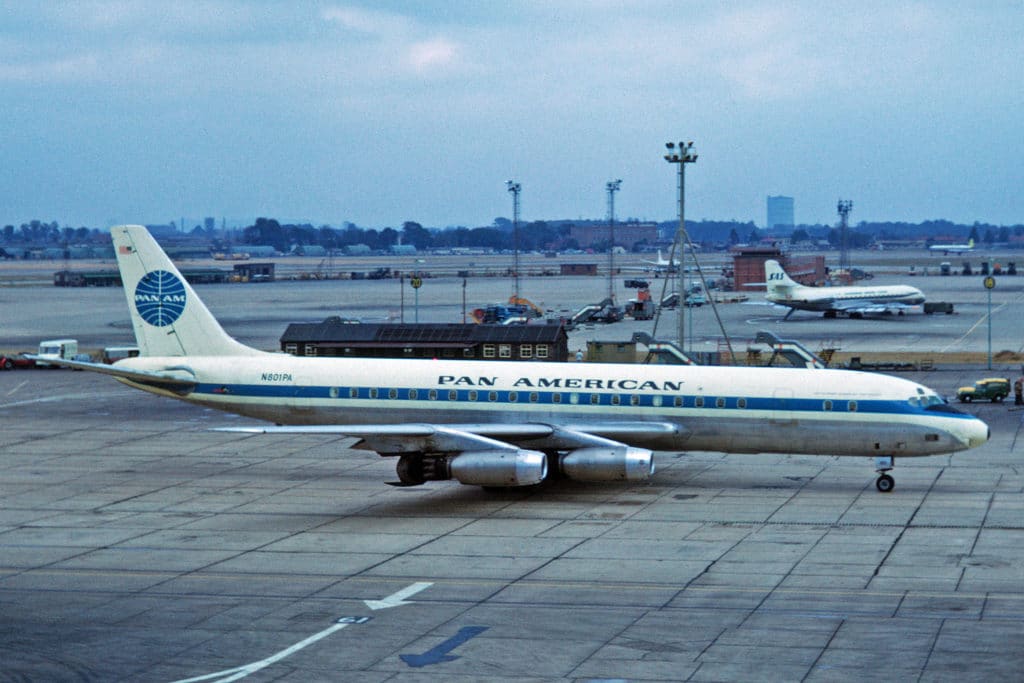
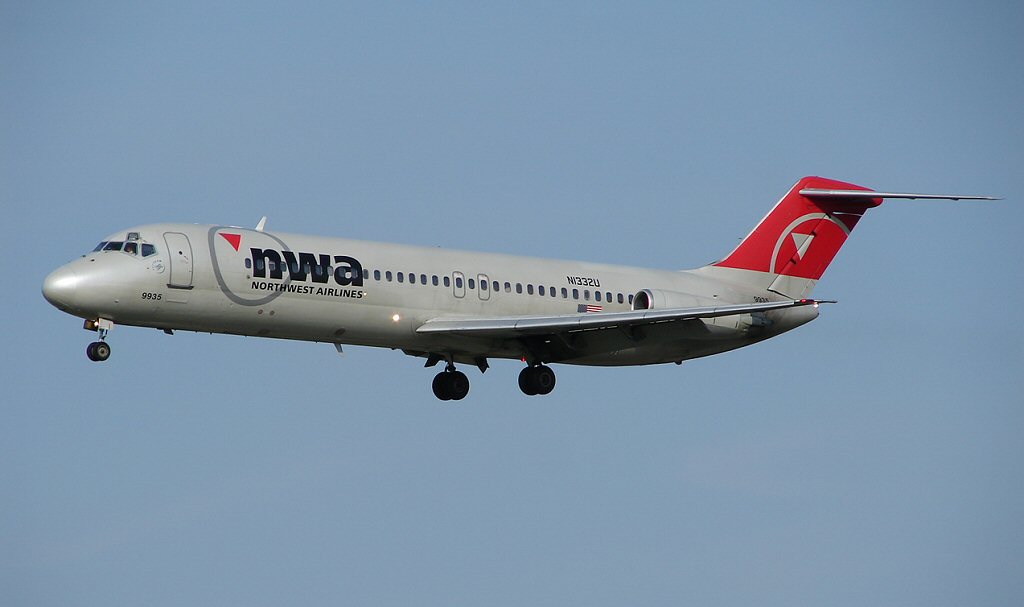
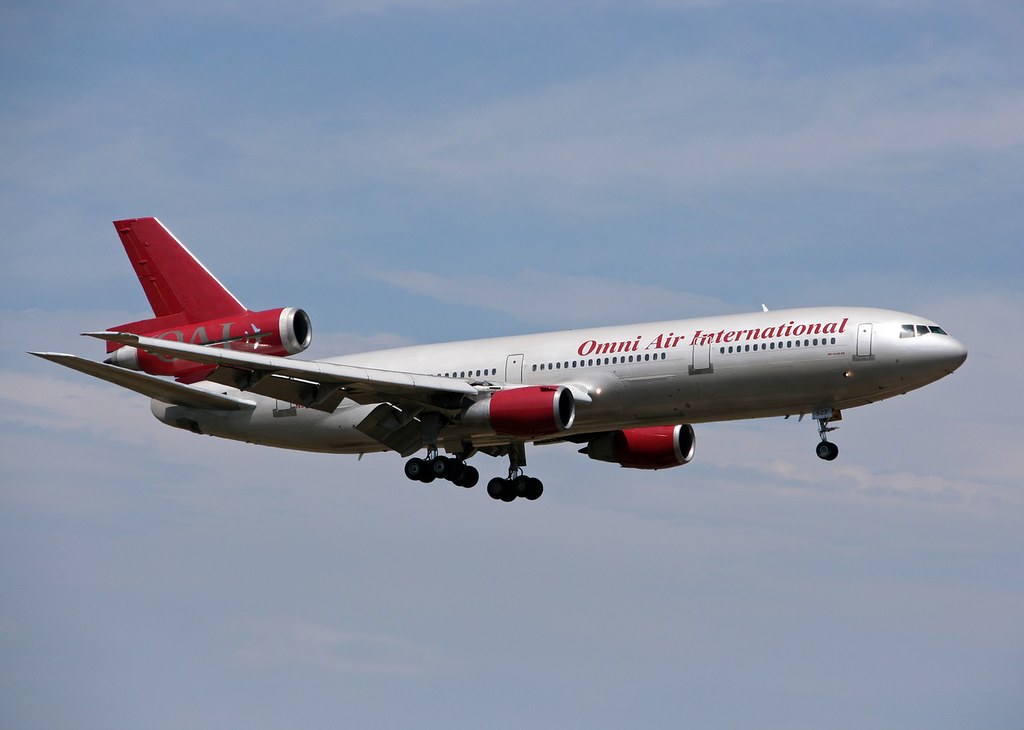
Across several decades, McDonnell Douglas produced some of the world’s most recognisable commercial aircraft. The DC‑8, DC‑9 family, and DC‑10 helped shape modern jet travel and served airlines across the globe. Click on each aircraft below to learn more about its development, performance, and service history.
 |
 |
 |
|