
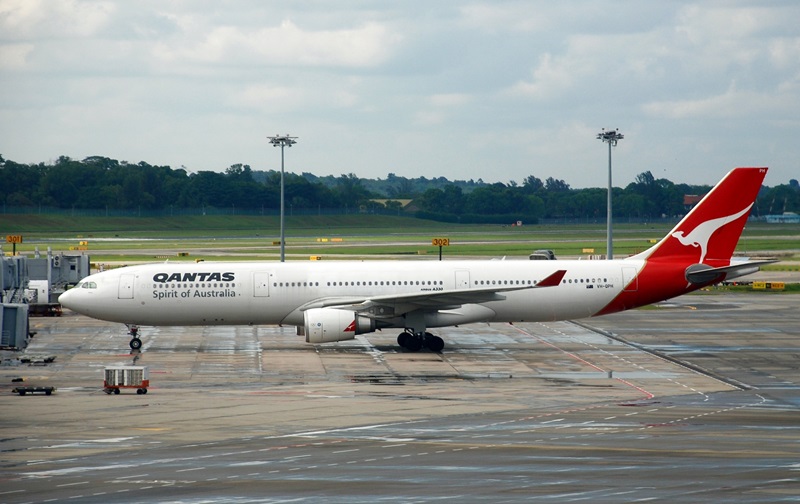

The Airbus A330 is a wide-body, twin-engine jet airliner designed and built by Airbus Industries. It was conceived in the 1970s alongside its sister aircraft, the Airbus A340, as part of Airbus’s search for a successor to its launch aircraft, the Airbus A300.
The combined offering of the Airbus A330 and A340 was planned as a replacement for the Boeing 707 and the Douglas DC-8, which were nearing the end of their domination of the intercontinental skies. They were also pitched against the
McDonnell Douglas DC-10 and
Lockheed L1011 Tristar, offering similar capacity with around a 25% saving in fuel.
The A330 and A340 began life on the design books as the A300B9 and A300B11. These were later redesignated TA9 and TA11, where “TA” stands for twin-aisle.
Development
The Airbus A330 began life in the 1970s as part of Airbus’s plan to expand beyond the A300 and A310. Two parallel aircraft were conceived: a twin‑engine long‑range widebody (the future A330) and a four‑engine ultra‑long‑range aircraft (the future A340). These were originally designated the A300B9 and A300B11 before being renamed TA9 and TA11 — “TA” standing for twin‑aisle.
By 1982, the TA9 design had evolved into a single‑class aircraft capable of carrying 410 passengers, with a significantly enlarged underfloor cargo area. This gave it roughly double the cargo capacity of the McDonnell Douglas DC‑10 and Lockheed L‑1011 TriStar. The fuselage was also extended by 8.46 metres compared to the A300.
In June 1985, Airbus incorporated the fly‑by‑wire glass cockpit pioneered on the A320, including the now‑iconic side‑stick controller. The A300‑600’s stabiliser, rudder, and fuselage cross‑sections were retained but lengthened with two additional barrel sections.
Wing Development
British Aerospace studied a variable‑camber wing for the A330 — a design that would allow the wing to change shape during flight for improved efficiency. Although technically promising, the concept was ultimately rejected due to cost and complexity.
Engine Options
From the outset, Airbus intended the A330 to be offered with three engine choices: Rolls‑Royce, General Electric, and Pratt & Whitney. Early studies showed that more thrust was required than initially planned, leading to the development of:
- Rolls‑Royce Trent 700 — 311 kN (70,000 lbf)
- GE CF6‑80E1 — 300–320 kN (67,000–72,000 lbf)
- P&W PW4168 — developed specifically for the A330
The A330 marked the first time Rolls‑Royce engines were offered on an Airbus aircraft.
History
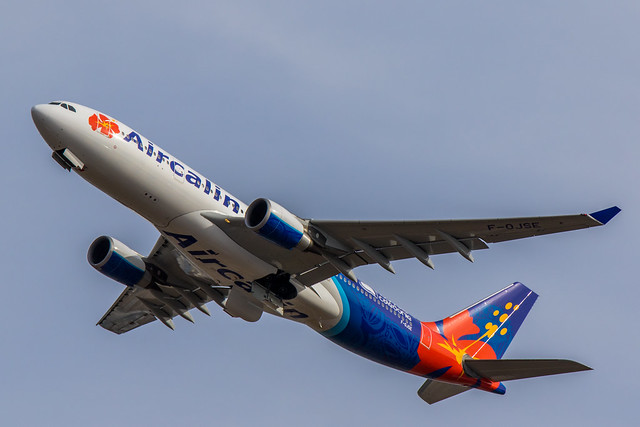
On 27 January 1986, following an Airbus Industrie board meeting in Munich, Airbus formally announced that the TA9 and TA11 had been defined as the A330 and A340. Proposals were sent to potential launch customers later that year, including Lufthansa and Swissair.
The first A330 orders arrived on 12 March 1987 from Air Inter (five aircraft plus fifteen options) and Thai Airways (four aircraft plus four options). Northwest Airlines followed shortly after with an order for ten aircraft.
Airbus officially launched the A330 program on 5 June 1987 with 130 orders from ten customers.
The first A330 was rolled out on 31 March 1992, initially in anti‑corrosion primer and without engines. Its maiden flight took place on 2 November 1992, lasting 5 hours and 15 minutes. At 181,840 kg (401,000 lb), including nearly 21 tonnes of test equipment, it was the largest twin‑engine aircraft ever to fly at the time — a record soon overtaken by the Boeing 777.
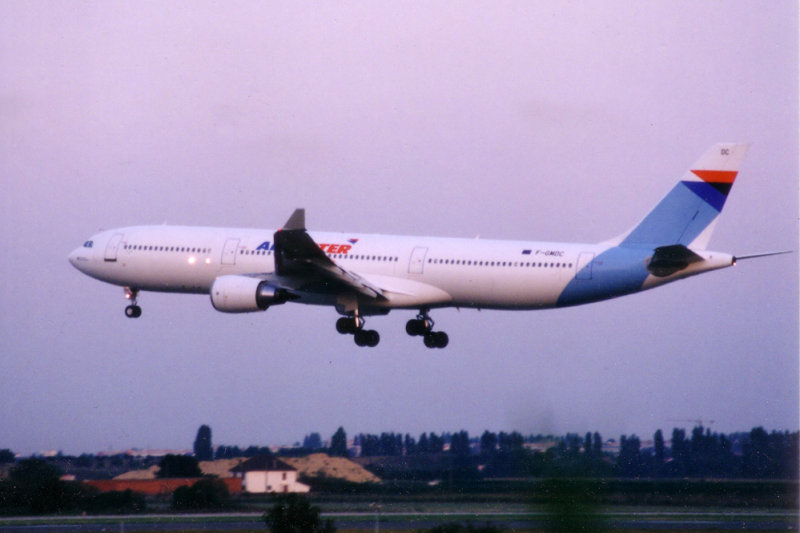
Certification was achieved on 21 October 1993 after 1,114 hours of testing across 426 flights. Air Inter became the first operator on 17 January 1994, flying the A330 between Paris Orly and Marseille.
Design
The Airbus A330 was designed as a modern, fuel‑efficient wide‑body twinjet capable of serving medium‑ to long‑haul routes with lower operating costs than the tri‑jets and early wide‑bodies it was intended to replace. Its design philosophy centred on commonality, efficiency, and flexibility — principles that would become hallmarks of Airbus aircraft for decades.
The A330 shares its fuselage cross‑section, flight deck, and many systems with the A340. This commonality allowed Airbus to offer two aircraft families — one twin‑engine, one four‑engine — built on the same production line and sharing the same type rating. Airlines could operate both with minimal additional training or infrastructure.
Flight Deck and Fly‑By‑Wire
The A330 adopted the fly‑by‑wire system introduced on the A320, including the side‑stick controller and six large CRT displays. This digital flight control system reduced weight, improved handling, and allowed Airbus to implement envelope protection — preventing pilots from exceeding the aircraft’s structural or aerodynamic limits.
The cockpit layout is nearly identical to the A340, enabling a single type rating for both aircraft. This was a major selling point for airlines seeking fleet flexibility.
Fuselage and Structure
The A330’s fuselage is a direct evolution of the A300/A310 family, but lengthened and strengthened. Two additional fuselage barrels were added to increase passenger capacity, and the underfloor cargo area was enlarged to nearly double that of the DC‑10 and L‑1011.
Composite materials were used extensively in the tail, fairings, and secondary structures, reducing weight and improving corrosion resistance.
Wings
The A330 and A340 share the same wing planform, designed by British Aerospace. The wing is optimised for long‑range cruise efficiency and incorporates advanced high‑lift devices for excellent takeoff and landing performance.
Although Airbus studied a variable‑camber wing, the concept was ultimately abandoned due to cost and complexity. The final wing design proved highly efficient and remains one of the most aerodynamically refined wings of its era.
Engines
The A330 was the first Airbus aircraft to offer a choice of three major engine manufacturers:
- Rolls‑Royce Trent 700 — the most popular option, optimised specifically for the A330
- General Electric CF6‑80E1 — a development of the proven CF6 family
- Pratt & Whitney PW4000 (PW4168) — designed to meet the A330’s higher thrust requirements
This flexibility allowed airlines to align the A330 with their existing engine maintenance programs.
A330 / A340 Shared Architecture
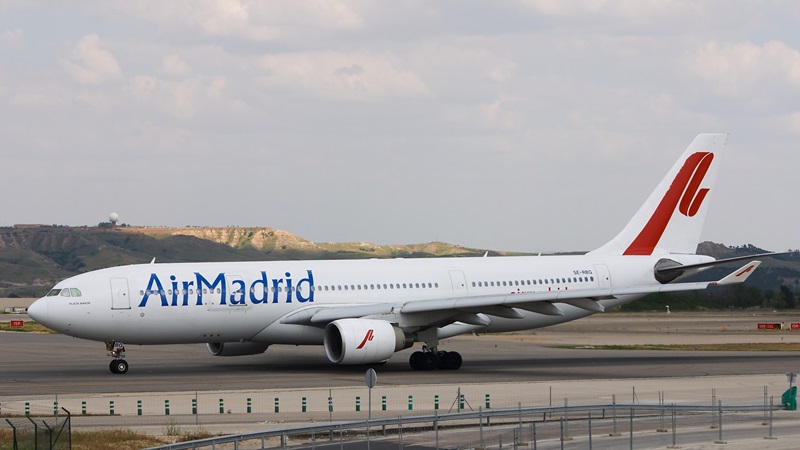
One of the A330 program’s defining features was its shared architecture with the A340. Both aircraft were built on the same production line in Toulouse, using the same fuselage, cockpit, wings, and systems. The primary difference was the number of engines: two for the A330, four for the A340.
This approach allowed Airbus to offer airlines a choice between:
- A330 — lower operating costs, ideal for medium‑ and long‑haul routes
- A340 — ultra‑long‑range capability without ETOPS restrictions
The shared design reduced development costs and gave Airbus a competitive advantage by offering two aircraft families with minimal additional investment.
As ETOPS regulations evolved, the A330’s twin‑engine efficiency became increasingly attractive, eventually eclipsing the A340 in sales and long‑term viability.
Variants
The Airbus A330 family has evolved into several major variants since its launch, each designed to meet different airline requirements. From the original A330‑300 to the long‑range A330‑200, the dedicated A330‑200F freighter, and the modernised A330neo series, the A330 has become one of the most versatile and successful wide‑body aircraft families in commercial aviation.
Below is an overview of the primary A330 variants, each of which is explored in detail in the following sections.
A330‑300
The original A330 model, optimised for medium‑ to long‑haul routes with high passenger capacity. It shares its fuselage length with the A340‑300 and became a favourite for regional high‑density operations as well as transcontinental services.
A330‑200
A shorter‑fuselage, longer‑range version introduced to compete with the Boeing 767‑300ER. It offers excellent range, strong cargo capability, and became the backbone of many long‑haul fleets worldwide.
A330‑200F
A purpose‑built freighter variant featuring a redesigned nose gear to level the main deck for cargo loading. It replaced the ageing A300‑600F and remains a popular mid‑size wide‑body freighter.
A330neo Family
Launched in 2014, the A330neo (New Engine Option) introduced new Rolls‑Royce Trent 7000 engines, aerodynamic refinements, and a modernised cabin. It includes two models:
- A330‑800 — successor to the A330‑200 with extended range
- A330‑900 — successor to the A330‑300 with improved efficiency
The A330neo family offers up to 25% lower fuel burn compared to earlier A330 models and brings the A330 platform into the next generation.
A330‑200
The Airbus A330‑200 was developed as a shorter‑fuselage, longer‑range complement to the original A330‑300. Launched in response to airline demand for a wide‑body capable of operating thinner long‑haul routes, the A330‑200 quickly became one of Airbus’s most successful long‑range aircraft.
With its reduced fuselage length and increased fuel capacity, the A330‑200 offers excellent range, strong cargo capability, and lower operating costs compared to competing aircraft such as the Boeing 767‑300ER. It has become a favourite for airlines operating intercontinental services where flexibility and efficiency are essential.
Design and Performance
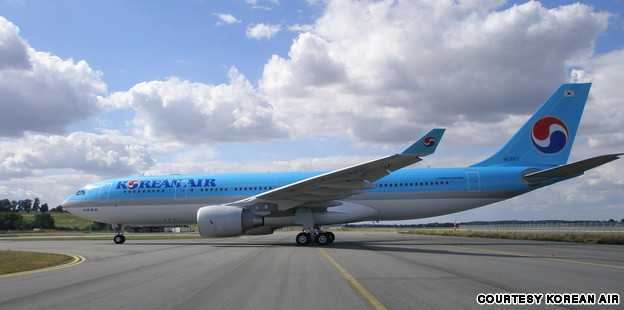
The A330‑200 is 10 frames shorter than the A330‑300, reducing its length by 5 metres. This shorter fuselage improves structural efficiency and allows for a higher maximum takeoff weight (MTOW), enabling the aircraft to carry more fuel for extended range.
The aircraft typically seats between 210 and 250 passengers in a two‑class configuration, though high‑density layouts can accommodate more. Its range capability — over 13,000 km depending on configuration — makes it ideal for long‑thin routes where larger aircraft would be uneconomical.
Engines
Like the A330‑300, the A330‑200 is offered with three engine options:
- Rolls‑Royce Trent 700
- General Electric CF6‑80E1
- Pratt & Whitney PW4168
The Trent 700 became the most popular choice due to its strong performance on long‑haul missions.
Operational Success
The A330‑200 has been widely adopted by airlines around the world, serving routes across the Atlantic, Europe–Asia, Australia–Asia, and deep into Africa and South America. Its combination of range, efficiency, and cargo capability has ensured its continued popularity even as newer aircraft enter the market.
A330‑300
The Airbus A330‑300 is the original member of the A330 family. Designed as a medium‑ to long‑haul wide‑body with high passenger capacity, it shares its fuselage length with the A340‑300 and was intended to replace early wide‑bodies such as the DC‑10 and L‑1011 on regional and intercontinental routes.
With seating for 250–300 passengers in a typical two‑class layout, the A330‑300 became a favourite for airlines operating dense intra‑Asia routes, trans‑European services, and transatlantic flights. Its combination of efficiency, comfort, and cargo capability made it one of Airbus’s most successful wide‑body designs.
Design and Capabilities
The A330‑300 was designed around medium‑range, high‑capacity operations. Its long fuselage provides excellent passenger volume, while its wing — shared with the A340 — delivers strong aerodynamic performance and low fuel burn.
Although originally intended for shorter ranges than the A330‑200, later upgrades increased the A330‑300’s maximum takeoff weight (MTOW) and fuel capacity, enabling true long‑haul missions. Modern A330‑300s can comfortably operate flights exceeding 11,000 km.
Engines
Like the A330‑200, the A330‑300 is offered with three engine families:
- Rolls‑Royce Trent 700
- General Electric CF6‑80E1
- Pratt & Whitney PW4168
The Trent 700 became the most widely used engine on the A330‑300 due to its strong performance in hot‑and‑high conditions and long‑range operations.
Operational Use
The A330‑300 has been adopted by airlines across Europe, Asia, the Middle East, and the Americas. Its versatility allows it to serve everything from short‑haul domestic flights in high‑density markets to long‑haul international services.
Many airlines continue to operate the A330‑300 today thanks to its reliability, low operating costs, and strong cargo capacity — attributes that have kept it competitive even as newer aircraft enter service.
A330‑200F
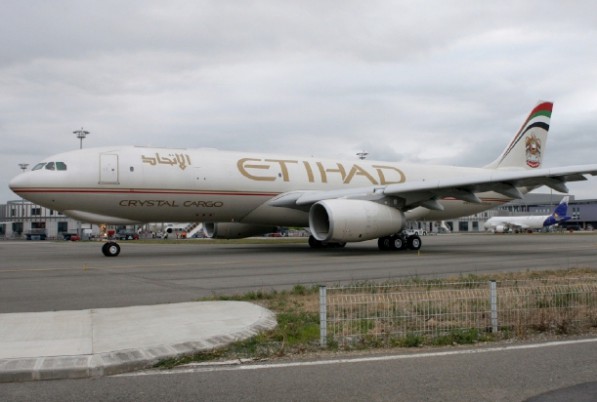
The Airbus A330‑200F is the dedicated freighter version of the A330 family, developed to replace the ageing A300‑600F and offer airlines a modern, fuel‑efficient mid‑size cargo aircraft. Launched in 2007, the A330‑200F incorporates significant structural changes to optimise the aircraft for freight operations.
One of the most distinctive features of the A330‑200F is its redesigned nose gear. The aircraft sits with a natural nose‑down attitude when on the ground, which is unsuitable for level cargo loading. To solve this, Airbus engineered a new nose‑gear bay with a longer, articulated leg that raises the nose by 4 degrees, levelling the main deck for pallet and container loading.
Design and Capabilities
The A330A330‑200F is based on the A330‑200 platform but features a strengthened fuselage, reinforced floor beams, and a large main‑deck cargo door. It can carry up to 70 tonnes of freight over distances of more than 7,400 km, making it ideal for medium‑ and long‑haul cargo routes.
The aircraft supports both palletised and containerised cargo, with a flexible layout that allows operators to configure the main deck for different mission profiles.
Engines
The A330‑200F is offered with two engine options:
- Rolls‑Royce Trent 700
- General Electric CF6‑80E1
Both engines provide the thrust and efficiency required for long‑range cargo operations.
Operational Use
The A330‑200F has been adopted by cargo operators worldwide, including Etihad Cargo, Turkish Airlines, Qatar Airways Cargo, and MASkargo. Its combination of payload, range, and efficiency has made it a popular choice for airlines seeking a modern replacement for older freighters.
Although the rise of the A330 passenger‑to‑freighter (P2F) conversion program has overshadowed new‑build A330‑200Fs, the aircraft remains a capable and reliable freighter with strong demand in the secondary market.
A330neo
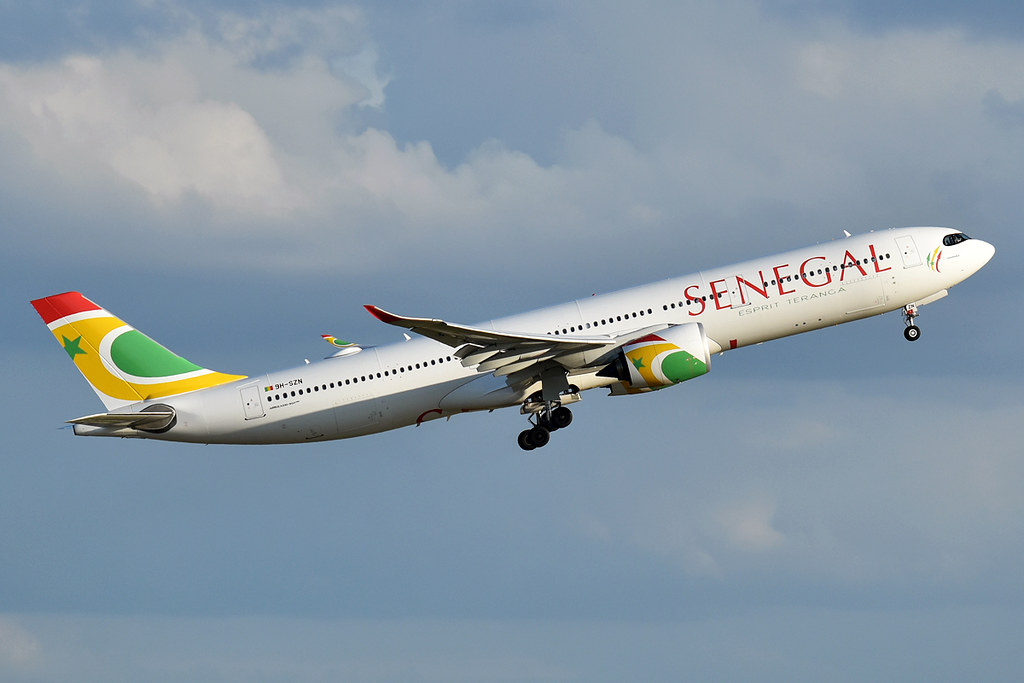
The Airbus A330neo (New Engine Option) is the latest evolution of the A330 family, launched in July 2014 as a modernised, more efficient successor to the A330‑200 and A330‑300. The A330neo incorporates new engines, aerodynamic refinements, and a completely updated cabin inspired by the Airbus A350.
The A330neo family consists of two models:
- A330‑800 — successor to the A330‑200, offering extended range and improved efficiency
- A330‑900 — successor to the A330‑300, optimised for medium‑ to long‑haul operations
With up to 25% lower fuel burn compared to earlier A330 variants, the A330neo brings the proven A330 platform into the next generation.
New Engines: Rolls‑Royce Trent 7000
The A330neo is powered exclusively by the Rolls‑Royce Trent 7000, a new‑generation turbofan derived from the Trent 1000 used on the Boeing 787. The Trent 7000 offers:
- 10% lower fuel burn than previous A330 engines
- Higher bypass ratio for quieter operation
- Improved reliability and reduced maintenance costs
The new engines are the single largest contributor to the A330neo’s improved efficiency.
Aerodynamic Improvements
The A330neo features a refined wing with:
- New A350‑style winglets
- Increased wingspan (by 3.7 metres)
- Improved lift‑to‑drag ratio
These changes reduce fuel burn and extend range while maintaining the A330’s proven handling characteristics.
Airspace Cabin
The A330neo introduces Airbus’s Airspace cabin, offering:
- Wider overhead bins
- New LED lighting system
- Quieter cabin environment
- Improved air filtration
The cabin design is heavily influenced by the A350, giving the A330neo a modern, premium passenger experience.
Range and Performance
The A330neo offers significant performance improvements:
- A330‑800: up to 15,094 km range
- A330‑900: up to 13,334 km range
These capabilities allow airlines to operate long‑haul routes more efficiently than ever before.
Operators
Key A330neo operators include:
- TAP Air Portugal
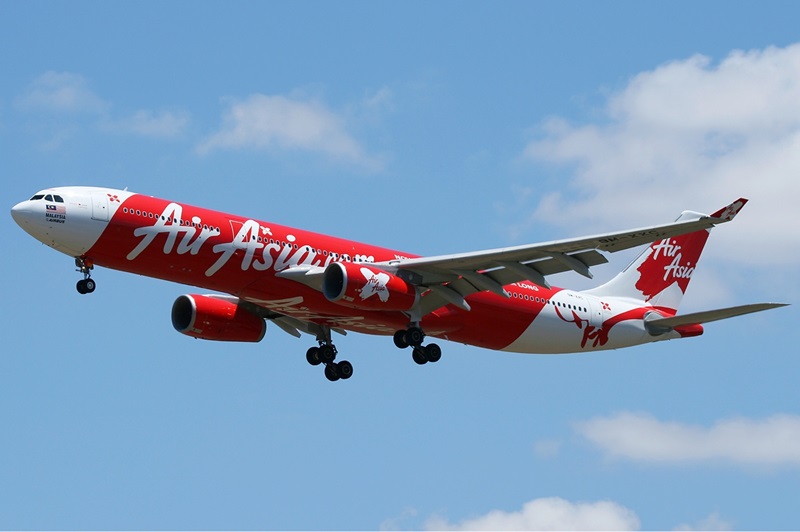
- AirAsia X
- Delta Air Lines
- Garuda Indonesia
- Condor
- Virgin Atlantic
The A330neo continues to attract new customers thanks to its low operating costs and modern passenger experience.
Assembly
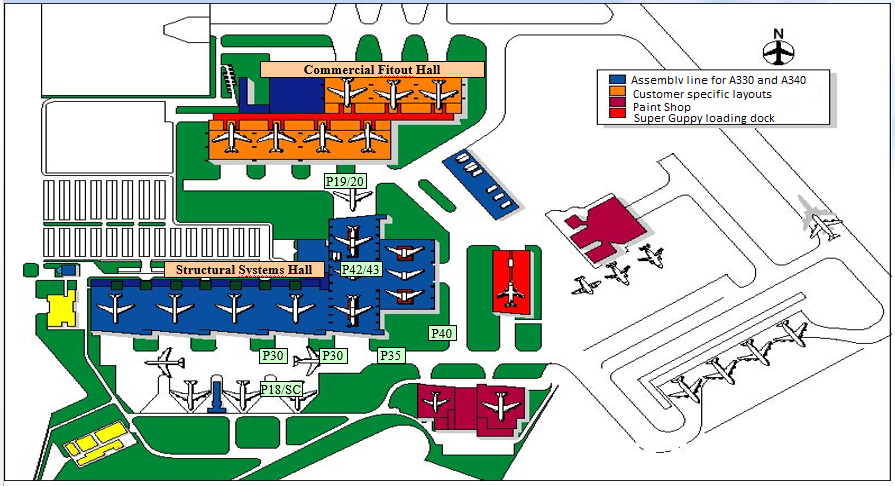
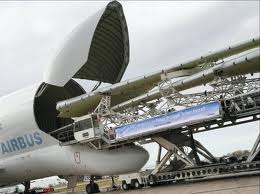
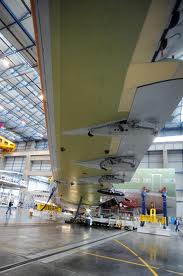
Like the A320, A330, and A340 families, the Airbus A330 is assembled at the Airbus final assembly line in Toulouse, France. Major components arrive from across Europe — wings from the United Kingdom, fuselage sections from Germany and France, and the vertical tail from Spain — before being joined together in the massive Jean‑Luc Lagardère facility.
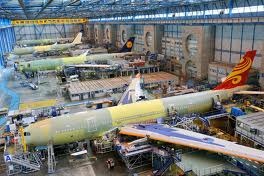
The A330 shares its assembly line with the A340, reflecting the high degree of commonality between the two aircraft. Both families use the same fuselage cross‑section, cockpit, and wing structure, allowing Airbus to streamline production and reduce manufacturing costs.
The assembly process begins with the joining of the forward, centre, and aft fuselage sections, followed by wing‑to‑fuselage mating. The vertical and horizontal stabilisers are then attached, and the aircraft moves to the systems installation and cabin‑fitting stations.
Engines are installed late in the process, after the aircraft has undergone extensive systems testing. Once complete, the A330 is rolled out for painting before beginning its flight‑test program.
 |
 |
 |
 |
Cabin
The Airbus A330 cabin has long been regarded as one of the most comfortable wide‑body environments in commercial aviation. With its 2‑4‑2 seating layout in economy class, the A330 offers more window and aisle seats per row than competing aircraft, reducing the number of middle seats and improving overall passenger comfort.
Airlines have configured the A330 cabin in a wide variety of layouts, from high‑density regional seating to premium long‑haul configurations with lie‑flat business‑class suites. The A330’s wide fuselage allows for spacious aisles, large galleys, and generous overhead storage.

Economy Class
The A330’s 2‑4‑2 economy layout is one of its most appreciated features. With only one middle seat per block, passengers enjoy a more comfortable and less cramped experience compared to 3‑3‑3 layouts found on some competing aircraft.
Seat width typically ranges from 17.5 to 18 inches, depending on airline configuration, and the cabin’s quiet acoustics contribute to a more pleasant long‑haul journey.
Business Class
The A330 has hosted a wide range of business‑class products over the years, from early angled‑lie‑flat seats to modern fully flat suites with direct aisle access. Many airlines have used the A330 as their flagship long‑haul aircraft, fitting it with premium cabins comparable to those on larger wide‑bodies.

Airspace Cabin (A330neo)
The A330neo introduced Airbus’s new Airspace cabin, bringing a modern, A350‑inspired interior to the A330 platform. Features include:
- Wider overhead bins with 66% more space
- Advanced LED mood lighting
- Quieter cabin environment
- Improved air filtration and humidity control
- Redesigned sidewalls for increased shoulder room
These enhancements significantly improve the passenger experience and help the A330neo compete with newer aircraft such as the Boeing 787.
Cockpit
The Airbus A330 flight deck is one of the defining features of the aircraft family, sharing a near‑identical layout with the A320 and A340. This high level of commonality allows pilots to transition between Airbus types with minimal additional training, reducing costs for airlines and improving operational flexibility.
The A330 was among the early adopters of Airbus’s fly‑by‑wire technology, using electronic flight controls and the now‑iconic side‑stick controller. This system reduces pilot workload, improves handling, and incorporates flight envelope protection to prevent overstressing the aircraft.

Flight Deck Layout
The A330 cockpit features six large CRT (later LCD) displays arranged in a standard Airbus configuration:
- Primary Flight Display (PFD)
- Navigation Display (ND)
- Engine/Warning Display (E/WD)
- System Display (SD)
The overhead panel is clean and logically arranged, reflecting Airbus’s philosophy of reducing pilot workload through automation and system integration.
Side‑Stick Controller
The A330 uses the Airbus side‑stick controller, which replaces the traditional control yoke. This design:
- frees up cockpit space
- reduces pilot fatigue
- allows for more precise inputs
- integrates seamlessly with fly‑by‑wire protections
The side‑stick has become a signature feature of Airbus aircraft and remains largely unchanged on the A350 and A380.

Common Type Rating
One of the A330’s greatest strengths is its shared type rating with the A340. Pilots trained on one can fly the other with minimal differences training, thanks to:
- identical cockpit layout
- shared systems architecture
- similar handling characteristics
This commonality has been a major selling point for airlines operating mixed Airbus fleets.
Operators
The Airbus A330 family is one of the most widely used wide‑body aircraft lines in the world. Its combination of efficiency, range, and versatility has made it a favourite among full‑service carriers, low‑cost long‑haul airlines, and cargo operators alike.
More than 1,500 A330s have been delivered, operating with over 120 airlines across every major region. The aircraft’s strong economics and flexible cabin layouts have ensured its continued popularity even as newer types enter service.
Major Passenger Operators
Some of the largest A330 passenger fleets include:
- Delta Air Lines
- Turkish Airlines
- China Eastern Airlines
- China Southern Airlines
- Qatar Airways
- Singapore Airlines
- Garuda Indonesia
- AirAsia X
- Virgin Atlantic
- Lufthansa
- KLM
- TAP Air Portugal (launch operator of the A330neo)

Cargo Operators
The A330‑200F and A330 passenger‑to‑freighter (P2F) conversions have become increasingly popular with cargo airlines. Major operators include:
- Etihad Cargo
- Turkish Cargo
- Qatar Airways Cargo
- MASkargo
- DHL (A330‑300P2F)
- Air Hong Kong
- EgyptAir Cargo

Global Reach
The A330’s operational footprint spans every continent. It is widely used for:
- Transatlantic flights
- Intra‑Asia high‑density routes
- Europe–Middle East services
- Australia–Asia operations
- Long‑thin intercontinental routes
Its reliability and low operating costs have made it a backbone aircraft for many national carriers and long‑haul low‑cost airlines.
Future Outlook
With the introduction of the A330neo and the continued growth of the P2F conversion program, the A330 family is expected to remain in service for decades. Many airlines are extending the life of their A330 fleets thanks to strong residual values and ongoing support from Airbus.
Orders & Deliveries
The Airbus A330 has been one of the most commercially successful wide‑body aircraft families ever produced. Its strong economics, flexible range, and multiple variants have attracted airlines across every major region. The introduction of the A330neo has extended the program’s life well into the 2030s, with steady demand from both passenger and cargo operators.
The table below summarises total orders and deliveries across the A330 family.
| Variant | Orders | Deliveries |
|---|---|---|
| A330‑200 | 642 | 642 |
| A330‑300 | 785 | 780 |
| A330‑200F | 38 | 38 |
| A330‑800 (neo) | 12 | 6 |
| A330‑900 (neo) | 326 | 150 |
| Total | 1,803 | 1,616 |
The A330neo continues to receive new orders as airlines seek a modern, fuel‑efficient wide‑body that avoids the higher acquisition costs of next‑generation composite aircraft. Meanwhile, the A330‑300 and A330‑200 remain popular on the secondary market, with many airframes being converted into freighters through the A330P2F program.
Specifications
The Airbus A330 family spans multiple variants with different capacities, ranges, and performance characteristics. Below are the key specifications for the A330‑200, A330‑300, and A330neo models.
A330‑200 Specifications
| Specification | A330‑200 | A330‑300 | A330‑800neo | A330‑900neo |
|---|---|---|---|---|
| Length | 58.82 m (193 ft 0 in) |
63.66 m (208 ft 10 in) |
58.82 m (193 ft 0 in) |
63.66 m (208 ft 10 in) |
| Wingspan | 60.30 m (197 ft 10 in) |
60.30 m (197 ft 10 in) |
64.00 m (210 ft) — extended neo wing |
|
| Height | 17.39 m (57 ft 1 in) |
16.79 m (55 ft 1 in) |
17.39 m (57 ft 1 in) |
|
| Cabin Width | 5.28 m (17 ft 4 in) | |||
| Typical Seating | 210–250 | 250–300 | 220–260 | 260–300 |
| Maximum Seating | 406 | 440 | Not typically published | |
| Range | 13,450 km (7,260 nmi) |
11,750 km (6,340 nmi) |
15,094 km (8,150 nmi) |
13,334 km (7,200 nmi) |
| Engines | Trent 700 / CF6‑80E1 / PW4168 | Trent 700 / CF6‑80E1 / PW4168 | Rolls‑Royce Trent 7000 | |
| Max Takeoff Weight (MTOW) | 242–251 t | 242–251 t | 251 t | 251 t |
| Cruise Speed | Mach 0.82 (871 km/h) | |||
Timeline
| Year | Event |
|---|---|
| 1970s | Initial studies begin for a new wide‑body family to complement the A300, including early concepts that would evolve into the A330 and A340. |
| 1982 | Airbus refines the TA9 (future A330) and TA11 (future A340) designs, introducing a larger fuselage and expanded cargo capacity. |
| June 1985 | Fly‑by‑wire and the A320‑style glass cockpit are incorporated into the A330 design. |
| 27 January 1986 | Airbus formally defines the TA9 and TA11 as the A330 and A340 during a board meeting in Munich. |
| 12 March 1987 | First A330 orders placed by Air Inter and Thai Airways. |
| 5 June 1987 | Official launch of the A330 program with 130 orders from ten customers. |
| 31 March 1992 | First A330 rolls out in Toulouse, initially in primer and without engines. |
| 2 November 1992 | Maiden flight of the A330, lasting 5 hours and 15 minutes. |
| 21 October 1993 | A330 receives certification after 1,114 hours of flight testing. |
| 17 January 1994 | Air Inter operates the first commercial A330‑300 service between Paris Orly and Marseille. |
| 1998 | A330‑200 enters service, offering extended range and becoming a major long‑haul success. |
| 2007 | Airbus launches the A330‑200F, the dedicated freighter variant. |
| July 2014 | Airbus launches the A330neo program, featuring new engines and aerodynamic improvements. |
| 19 October 2017 | A330‑900 completes its first flight. |
| 26 November 2018 | TAP Air Portugal becomes the first airline to take delivery of the A330‑900. |
| 2019 | A330‑800 completes its first flight. |
| 2020 | First A330‑800 delivered to Kuwait Airways. |
| 2020s | A330neo family continues to expand across global fleets, while A330ceo aircraft transition into P2F freighter conversions. |
Accidents & Incidents
The Airbus A330 has built a strong safety record since entering service in 1994. With more than 1,500 aircraft delivered and millions of flight hours accumulated, the A330 is regarded as one of the safest wide‑body airliners in operation. The incidents listed below represent the most notable events involving the type.
Notable Accidents
-
Air France Flight 447 — 1 June 2009
An A330‑203 operating from Rio de Janeiro to Paris was lost over the Atlantic Ocean after the temporary loss of airspeed data led to inappropriate control inputs. All 228 people on board were killed. The accident resulted in industry‑wide changes to pilot training and pitot‑tube design. -
Afriqiyah Airways Flight 771 — 12 May 2010
An A330‑202 crashed on approach to Tripoli due to pilot disorientation during a go‑around. Of the 104 people on board, one passenger survived. -
Qatar Airways A330‑300 — 15 November 2017
An A330‑300 suffered a runway excursion during taxi in Lagos, Nigeria. The aircraft was damaged beyond repair, but there were no injuries.
Overall Safety Record
Considering its widespread use and more than three decades of service, the A330’s accident rate remains very low. The aircraft’s robust design, advanced flight‑control systems, and continuous software and hardware updates have contributed to its strong safety reputation.
Summary
Since its introduction in the early 1990s, the Airbus A330 has become one of the most successful and versatile wide‑body aircraft families in commercial aviation. Designed alongside the A340 and sharing much of its architecture, the A330 offered airlines a modern, efficient twin‑engine alternative at a time when long‑haul operations were rapidly evolving.
The A330‑200 and A330‑300 established the type as a reliable long‑range workhorse, serving everything from dense regional routes to intercontinental services. The dedicated A330‑200F extended the platform into the cargo market, while the A330neo brought new engines, aerodynamic refinements, and a modern cabin to ensure the aircraft remains competitive well into the future.
With more than 1,500 aircraft delivered and a global presence across passenger and cargo fleets, the A330 continues to play a vital role in international aviation. Its strong economics, proven safety record, and ongoing development through the A330neo program ensure that it will remain a familiar sight in the skies for many years to come.